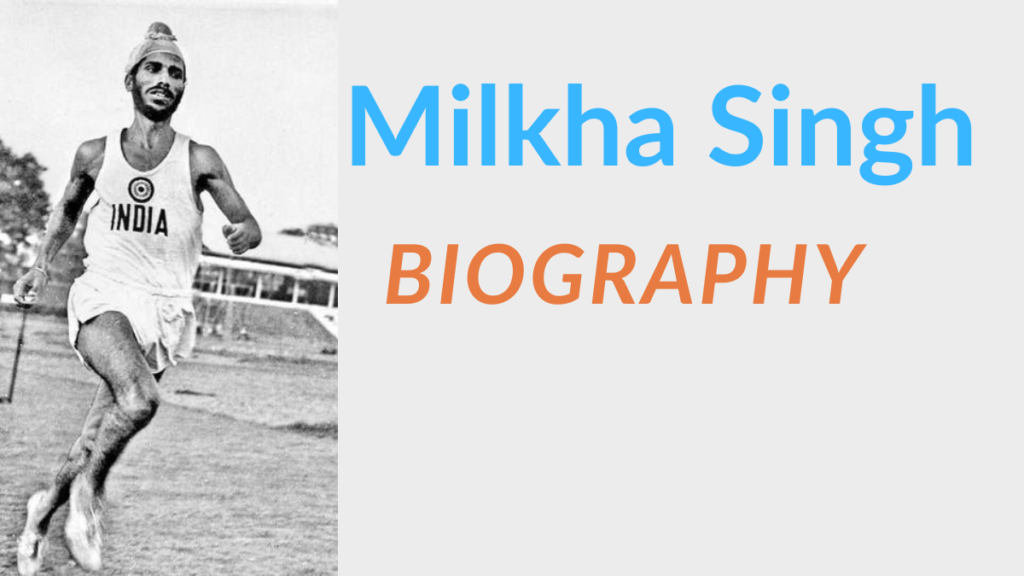

Milkha Singh, fondly remembered as the “Flying Sikh,” was one of India’s greatest sporting legends whose life transcended the boundaries of the track. A dominant force at the Asian Games and the Commonwealth Games, he carried India’s hopes to the world stage at the Olympics, where his courage and near-mythical run earned him immortal fame. Though medals often define athletes, Milkha Singh became a symbol of resilience and national pride beyond podium finishes. His extraordinary journey—from trauma and struggle to global recognition—was later brought alive for a new generation through the iconic film Bhaag Milkha Bhaag, ensuring that his legacy continues to inspire millions.
Quick Information Table
| Category | Details |
|---|---|
| Full Name | Milkha Singh |
| Popular Name | The Flying Sikh |
| Date of Birth | 20 November 1929 |
| Place of Birth | Govindpura, Punjab (now in Pakistan) |
| Nationality | Indian |
| Profession | Track and Field Athlete |
| Main Events | 400 metres, 200 metres |
| Famous Titles | Flying Sikh |
| Asian Games | Gold Medals (1958 Tokyo, 1962 Jakarta) |
| Commonwealth Games | Gold Medal (1958 Cardiff – 440 yards) |
| Olympics Participation | 1956 (Melbourne), 1960 (Rome), 1964 (Tokyo) |
| Best Olympic Finish | 4th place – 400m (1960 Rome Olympics) |
| National Record | 400m – 45.73 seconds (stood for nearly 40 years) |
| Notable Film | Bhaag Milkha Bhaag (2013) |
| Wife | Nirmal Kaur (former Indian volleyball captain) |
| Children | 4 (including Jeev Milkha Singh) |
| Son | Jeev Milkha Singh (Professional Golfer) |
| Awards | Padma Shri (1959) |
| Date of Death | 18 June 2021 |
| Cause of Death | COVID-19 related complications |
Early Life: Born Amidst Turmoil
Milkha Singh was born on 20 November 1929 in Govindpura village (now in Pakistan). His early childhood was simple and rural, but fate had harsher plans. During the Partition of India in 1947, Milkha Singh witnessed the brutal killing of his parents and several family members. This trauma haunted him for years, shaping his personality and instilling in him both fear and fierce determination.
At a very young Milkha Singh age, he became a refugee, crossing borders on foot to reach India. Homeless, penniless, and emotionally shattered, he settled in Delhi, where survival itself was a daily struggle. Hunger, fear, and loneliness followed him, but so did an inner fire that refused to be extinguished.
Entry into Athletics: Turning Pain into Speed
Milkha Singh’s entry into sports was almost accidental. After joining the Indian Army in 1951, he was exposed to organized physical training for the first time. During one routine race, his natural speed stunned everyone. Running became more than a sport—it became his escape from haunting memories.
Under strict military discipline, Milkha Singh trained relentlessly. He practiced barefoot, ran long distances daily, and pushed his body beyond limits. His speed, stamina, and mental toughness soon made him stand out, earning him national recognition.
Rise to Stardom: Records and Glory
Milkha Singh dominated Indian athletics during the late 1950s and early 1960s. He won gold medals in the Asian Games (1958 Tokyo and 1962 Jakarta) and the Commonwealth Games (1958 Cardiff), becoming the first Indian athlete to win an individual athletics gold at the Commonwealth level.
One of the most remarkable aspects of his career was the Milkha Singh record in the 400 meters. His personal best of 45.73 seconds, set during the 1960 Rome Olympics, remained unbeaten in India for nearly 40 years—a testament to his extraordinary talent.
Milkha Singh Olympics: Triumph and Heartbreak
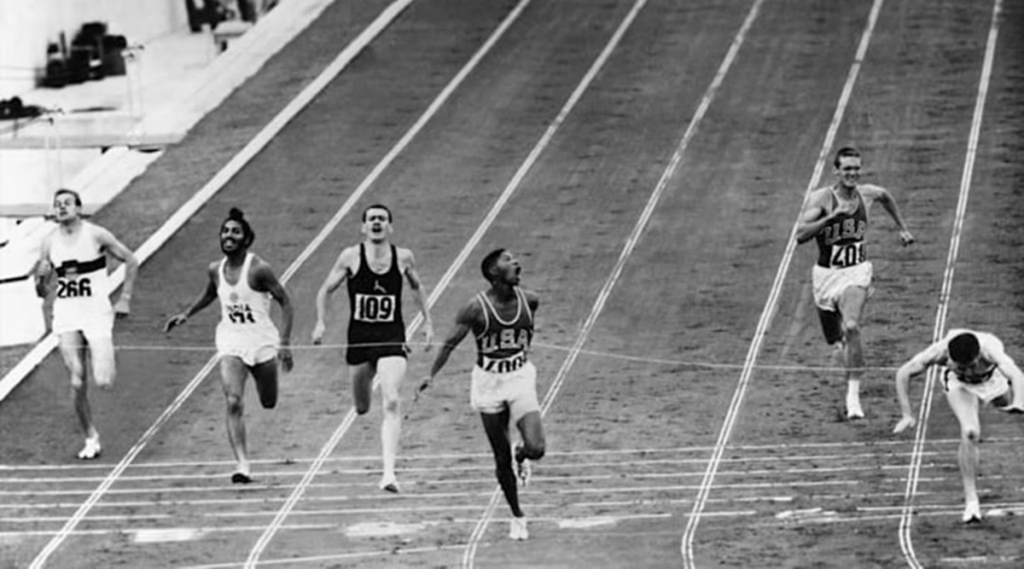
The Milkha Singh Olympics journey is remembered as both glorious and heartbreaking. He represented India in three Olympic Games—1956 Melbourne, 1960 Rome, and 1964 Tokyo.
The 1960 Rome Olympics remains etched in history. Milkha Singh was among the favorites to win a medal in the 400 meters. Leading the race until the final moments, he glanced back—a split-second hesitation that cost him dearly. He finished fourth, missing the bronze by a fraction of a second.
Though no medal came home, that race immortalized him. The world recognized his brilliance, and India embraced him as a hero who had fought courageously against the best athletes on Earth.
The Flying Sikh: A Title Earned with Honor
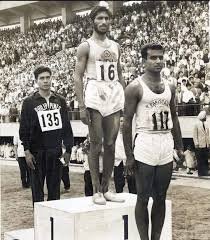
Milkha Singh earned the title “Flying Sikh” after defeating Pakistani champion Abdul Khaliq in a race held in Lahore. The race was emotionally charged—his return to the land of his childhood trauma was deeply painful.
Moved by Milkha Singh’s performance and courage, Pakistan’s President Ayub Khan remarked that Singh ran “like a Sikh flying in the air.” The name stuck, becoming synonymous with excellence, dignity, and reconciliation.
Personal Life: Love, Family, and Balance
Behind the fierce competitor was a gentle family man. Milkha Singh wife, Nirmal Kaur, was herself a former Indian volleyball team captain. Their marriage was one of mutual respect, discipline, and shared values.
The couple raised four children, including Milkha Singh son, Jeev Milkha Singh, who would later become one of India’s most successful professional golfers. Jeev Milkha Singh carried forward his father’s sporting legacy, achieving international success while remaining grounded in humility.
Milkha Singh was a strict but loving father. Discipline, honesty, and hard work were values he instilled deeply in his children.
Milkha Singh Movie: Inspiring Generations
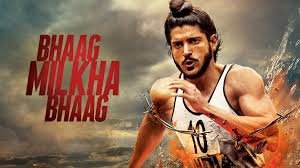
Milkha Singh’s life story reached millions through the critically acclaimed Milkha Singh movie, “Bhaag Milkha Bhaag” (2013), starring Farhan Akhtar. The film portrayed his struggles, emotional scars, victories, and indomitable spirit with powerful authenticity.
Milkha Singh actively contributed to the film’s making, ensuring that the story remained truthful. He donated the proceeds from the film rights to charity, staying true to his lifelong commitment to social good.
The movie not only revived interest in Indian athletics but also introduced Milkha Singh’s legacy to younger generations who had never seen him race.
Later Years: A Mentor and Symbol of Integrity
After retiring from competitive athletics, Milkha Singh served as the Director of Sports in Punjab, working tirelessly to improve sports infrastructure and nurture young talent. He remained vocal about corruption, complacency, and neglect in Indian sports administration.
Despite his fame, he lived a simple life, believing that true success lay in character rather than wealth.
Milkha Singh Death: A Nation Mourns
The news of Milkha Singh death on 18 June 2021, due to complications from COVID-19, plunged the nation into mourning. Just days earlier, he had lost his wife Nirmal Kaur to the same illness.
India did not just lose an athlete that day—it lost a moral compass, a role model, and a living chapter of history. Tributes poured in from across the world, honoring a man who had given his life to sport and country.
Legacy: More Than Medals
Milkha Singh’s legacy is not measured by medals alone but by the lives he inspired. He taught India that discipline can conquer destiny, that pain can fuel greatness, and that dignity matters more than victory.
From a frightened refugee child to a global sporting icon, Milkha Singh’s journey is a reminder that true champions are forged not on tracks, but in the fires of adversity.
Even today, when an Indian athlete steps onto the track, a part of the Flying Sikh runs with them—swift, fearless, and forever free.
FAQs
Is Bhag Milkha Bhag a true story?
Yes, Bhaag Milkha Bhaag is a true story, a biographical film based on the life of legendary Indian athlete Milkha Singh, known as “The Flying Sikh.”
How did Milkha Singh lose the Olympics?

“I knew what my fatal error was,” Milkha Singh said. “After running perilously fast in lane five, I slowed down at 250m and could not cover the lost ground after that, and that cost me the race.”