

Buy Ozempic Online: Compare Prices and Order Today
Navigating Semaglutide Dosages and Administration
The Weekly Injection Ritual
Taking Ozempic isn’t like swallowing a daily vitamin. It requires a specific ritual, specifically a subcutaneous injection once every single week. You’ll feel a tiny pinch under the skin, usually in the abdomen, thigh, or upper arm. It is a small price to pay for the metabolic shifts happening deep inside.
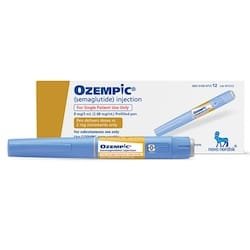
The delivery system is designed to be user-friendly, typically utilizing a pre-filled, multi-dose pen. Most patients find that once they get the hang of the clicking mechanism, the process becomes second nature. You don’t need to be a medical professional to master it, but you do need a steady hand and a little patience.
Consistency is the golden rule here. Missing a dose can throw a wrench in your progress, so picking a specific day—like “Sunday Morning Self-Care”—helps keep you on track. Think of it as a weekly appointment with your own wellness. If you’re more than five days late, consult your physician immediately.
Timing matters less than the weekly rhythm. Whether you take it before breakfast or before bed, the most vital part is that the medication stays at a steady level in your bloodstream. This constant presence helps manage those pesky glucose spikes that tend to ride a roller coaster throughout the day.
The Slow and Steady Climb
You wouldn’t run a marathon without training first, and starting Ozempic is no different. Doctors typically implement a titration schedule. This is essentially a “starting low and going slow” approach. You begin with a very low dose, often 0.25 mg, to let your body get acquainted with the drug.
This initial phase isn’t usually about seeing massive changes in your weight or blood sugar. Instead, it’s a “get to know you” period for your digestive system. By slowly ramping up the dose over several weeks, you minimize the chance of feeling like you’ve swallowed a heavy stone in your stomach.
The typical progression might look something like this for many patients:
- Starting Phase: 0.25 mg once weekly for 4 weeks.
- Escalation Phase: Increasing to 0.5 mg once weekly.
- Maintenance Phase: Moving to 1.0 mg or higher, as prescribed.
It is absolutely critical to follow your doctor’s specific prescription to the letter. They are the captain of this ship, adjusting your dosage based on your unique biochemistry and how you respond to the medication. Never attempt to play doctor by doubling up on doses to speed up your results.
Glucose Control vs. Weight Management
While many people use Ozempic to shed pounds, its primary medical identity is a tool for Type 2 Diabetes. There is a subtle but important distinction between using it for glycemic control and using it for weight management. It’s like using a Swiss Army knife; one tool might be a blade, while another is a corkscrew.
For those managing diabetes, the goal is improving blood glucose levels and reducing the risk of major cardiovascular events. The focus is on stability and preventing the highs and lows that can damage your organs over time. In this context, the dosage is finely tuned to your specific A1C targets.
When it comes to weight management, the conversation shifts slightly. While the medication is highly effective at reducing appetite, the dosage required to achieve significant weight loss may differ from what is needed for blood sugar regulation. This is why medical supervision is non-negotiable to ensure you aren’t overdoing it.
Ultimately, the “Ozempic Effect” is a complex dance between hormones and appetite. Whether you are fighting a chronic condition or tackling obesity, the medication works by mimicking a hormone that tells your brain, “Hey, we’re full.” Understanding your specific goal helps you and your doctor navigate the path ahead more effectively.
The Financial Reality of Ozempic Costs in USD
Staring at the price tag of a modern medical prescription can feel like a punch to the gut. For many, the primary barrier to starting Ozempic isn’t the needle or the side effects, but the sheer sticker shock that comes with the pharmacy bill. It is a significant investment in your health that requires careful budgeting.
A single month’s supply typically lands in the range of $750 to $1,200, depending on your location and where you shop. If you are paying out-of-pocket without any help, those numbers can climb even higher. It’s a heavy lift for the monthly household budget, making the financial aspect a major hurdle for many patients.
When you look at the long game, the math changes quickly. A three-month supply, which is often how doctors prescribe it to monitor your progress, can easily cost between $2,250 and $3,600. This isn’t just a minor expense; it is a significant financial commitment that requires a clear plan before you ever pick up the pen.
Insurance coverage is the great equalizer, or sometimes, the great divider. If your plan covers GLP-1 medications for Type 2 Diabetes, your out-of-pocket cost might drop to a manageable copay. However, if you are using it for weight management off-label, you might find yourself footing the entire bill yourself.
Navigating the maze of pharmacy benefits is a headache in itself. Some insurance providers have started tightening their belts, making it harder to get approval for these expensive medications. It is vital to call your provider and ask specifically about your “formulary status” before you assume you are covered.
Comparing prescription costs against pharmacy savings programs is a smart move for anyone looking to save a few bucks. Sometimes, a manufacturer’s coupon or a specialized savings card can shave hundreds of dollars off the price. It is like finding a golden ticket in a chocolate bar—it can make a world of difference.
The following table provides a snapshot of how different quantities and dosages might impact your wallet:
| Option Type | Quantity/Dosage | Estimated Cost |
|---|---|---|
| Monthly Supply (Standard) | 1 Month | $850 |
| Quarterly Supply | 3 Months | $2,550 |
| Low Dose Starter | 0.25 mg Pen | $750 |
| High Dose Maintenance | 2.0 mg Pen | $1,100 |
Keep in mind that price variations are common based on the strength of the medication. As you move up the titration ladder, the dosage strength changes, which can lead to fluctuations in what your pharmacy charges. It’s not always a straight line upward, but it’s rarely a downward trend either.
Don’t let the numbers scare you away from seeking medical advice, but do stay informed. Being proactive about your costs is just as important as being consistent with your injections. Knowledge is power, especially when you’re trying to manage both your health and your bank account simultaneously.
Sourcing and Shipping Logistics for Semaglutide
Navigating the landscape of online pharmacies can feel like walking through a minefield if you aren’t careful. While the convenience of home delivery is tempting, you must ensure you are dealing with a certified pharmacy. Purchasing from a legitimate, licensed entity is the only way to guarantee that the medication in the box is actually what the label claims it to be.
The legality of these transactions hinges entirely on the presence of a valid prescription. In the United States, a reputable pharmacy will never ship semaglutide without a direct order from a licensed healthcare provider. If a website promises to ship “no prescription required,” you are likely stepping into a legal and medical gray area that could lead to serious consequences.
Relying on unverified vendors is like gambling with your biology. These rogue operations often bypass the strict regulatory oversight that keeps the medical supply chain safe. You might think you are saving money, but the risk of receiving counterfeit, expired, or contaminated products is a high price to pay for a cheaper price tag.
The Importance of the Cold Chain
Semaglutide is a delicate biological molecule, meaning it is incredibly sensitive to environmental shifts. To maintain its potency, it must be kept within a specific temperature range—typically between 36°F and 46°F. This requirement creates a logistical challenge known as the “cold chain,” which must be maintained from the manufacturer to your doorstep.
When a pharmacy ships your medication, they should use specialized insulated packaging and refrigerated gel packs. If the package sits on a hot porch in the sun for hours, the protein structure of the drug can break down. Once the medication is compromised, it becomes nothing more than expensive, ineffective water, leaving your treatment plans in shambles.
Always inspect your shipment immediately upon arrival. If the cooling packs feel warm or the medication appears cloudy or discolored, do not use it. It is better to be safe and request a replacement than to inject a degraded substance into your system. Proper storage is the backbone of successful GLP-1 therapy.
Red Flags and Delivery Timelines
If an online vendor seems too good to be true, it almost certainly is. Be on high alert for any of the following warning signs:
- Prices that are significantly lower than the market average of $750 to $1,200 per month.
- Websites that offer “miracle” results without requiring a medical consultation.
- Communication that only happens through encrypted apps or non-professional email addresses.
- A complete lack of physical address or contact information for the pharmacy.
Once you have cleared the hurdles of consultation and payment, the waiting game begins. A typical delivery timeline for a prescription-strength shipment ranges from three to seven business days. This depends heavily on whether the pharmacy uses expedited air freight to maintain the necessary temperature controls during transit.
Tracking your package is essential for managing your injection schedule. Because these medications are time-sensitive, you want to ensure someone is home to receive the package. You don’t want a precious shipment of semaglutide sitting in a mailbox while you are away on a weekend trip.
The Necessity of Medical Oversight
You cannot simply “buy” your way into a weight loss journey without professional guidance. A valid medical consultation is the essential first step in the entire process. A doctor needs to review your medical history, check your current A1C levels, and ensure you don’t have contraindications like a history of pancreatitis.
This consultation isn’t just a formality; it is a safety net. A healthcare provider will help determine the correct starting dose to minimize gastrointestinal side effects like nausea or vomiting. Jumping into a high dose without a doctor’s supervision is like trying to run a marathon without training—it is a recipe for disaster.
Ultimately, the doctor acts as the navigator for your metabolic health. They will monitor your progress and adjust your dosage as you move up the titration ladder. Never attempt to self-medicate or follow advice from internet forums; your health is too precious to leave to the whims of a stranger online.
Ozempic for Type 2 Diabetes versus Off-Label Weight Loss
When doctors discuss Ozempic, they are primarily talking about a lifeline for those battling Type 2 diabetes. The FDA has officially cleared this medication to help adults improve their glycemic control. It works alongside diet and exercise to keep blood sugar levels from skyrocketing into dangerous territory.
However, the conversation shifted dramatically when people noticed a secondary benefit. This phenomenon has become widely known as the “Ozempic Effect.” It refers to the significant, often rapid weight loss experienced by individuals who were not originally prescribed the drug for metabolic issues.
While the primary goal for a diabetic patient is stability, the weight loss aspect has turned the medication into a cultural sensation. It is a strange twist of fate where a tool designed to manage glucose suddenly became a high-demand solution for obesity management.
Understanding this distinction is vital because the medical intent behind the prescription changes everything. Using the drug for diabetes is a standard clinical pathway, whereas using it for weight loss often falls under “off-label” usage. This distinction matters for insurance, cost, and clinical expectations.
The Biological Engine of GLP-1
To understand why this drug works, you have to look at how it mimics natural hormones. Semaglutide is a GLP-1 receptor agonist. This means it acts like the glucagon-like peptide-1 hormone that your body naturally produces in the gut after you eat a meal.
When this hormone enters the bloodstream, it sends a signal to your pancreas. It tells the organ to release insulin exactly when your blood sugar rises. It also tells your liver to stop pumping out excess glucose. It is like a thermostat regulating the temperature in a room.
But the magic doesn’t stop at the pancreas. The medication also communicates with your brain. It targets the hypothalamus, the part of your brain responsible for hunger and satiety. This is why many users report that the constant “food noise” in their heads simply vanishes.
By slowing down gastric emptying, the medication also ensures food stays in your stomach longer. This creates a physical sensation of fullness. You aren’t just fighting mental cravings; you are fighting a stomach that feels satisfied much sooner than it used to.
Cardiovascular Protection and Metabolic Health
For those living with Type 2 diabetes, the benefits of Ozempic extend far beyond a simple number on a glucose monitor. Clinical data shows that the medication can significantly reduce the risk of major cardiovascular events. This includes heart attacks, strokes, and even death.
Chronic high blood sugar is like sandpaper on the inside of your arteries. It causes irritation and damage over time. By smoothing out those glucose spikes, Ozempic helps protect the cardiovascular system from the heavy toll of metabolic dysfunction.
This makes the drug a multi-purpose tool for long-term health. It isn’t just about managing a symptom; it is about fortifying the body against life-threatening complications. For a diabetic patient, the medication is often a shield for their heart and brain.
When we look at the data, the difference between “feeling better” and “living longer” becomes clear. The reduction in cardiovascular risk is a cornerstone of why healthcare providers prioritize this treatment. It is about survival as much as it is about stability.
Ozempic vs. Dedicated Anti-Obesity Medications
It is easy to get confused because the lines between these medications are blurring. You might wonder, “If Ozempic works for weight loss, why do we need other drugs?” The answer lies in the concentration and the specific intent of the formulation.
While Ozempic is excellent for weight management, it is not the same as medications specifically engineered for chronic obesity. Dedicated anti-obesity drugs often contain higher concentrations of the active ingredient or different chemical structures designed specifically to maximize weight loss over long-term use.
The distinction is critical for your wallet and your medical plan. Insurance companies often view them very differently:
- Ozempic: Frequently covered for Type 2 diabetes; often denied for weight loss alone.
- Wegovy: Specifically FDA-approved for chronic weight management and obesity.
- Cost Implications: A 3-month supply of Ozempic can vary wildly, often costing between $750 and $1,200 depending on your coverage.
Choosing the wrong path can lead to a logistical nightmare. If you are seeking weight loss through an off-label prescription, you may find yourself paying full price out of pocket. It is a steep price to pay for a medication that was originally meant for a different purpose.
Safety Profiles and Potential Side Effects
Taking a new medication can feel like stepping into a dark room without a flashlight. You know it’s there to help, but you aren’t quite sure what you might trip over. While semaglutide is a powerful tool for metabolic health, it does not come without its own set of bumps and bruises.
For many users, the most immediate and frequent complaints are gastrointestinal in nature. It is not uncommon to feel like your stomach is in a constant state of rebellion. Nausea is the most frequent visitor, often occurring when you first start the dose or increase it.
Beyond simple nausea, some people experience more intense reactions. We are talking about vomiting, diarrhea, or perhaps a persistent sense of constipation that refuses to budge. These symptoms are essentially your body’s way of processing the significant shift in how your digestion is functioning.
If you find yourself unable to keep down even water, you are entering a dangerous territory. Dehydration can sneak up on you like a thief in the night, causing dizziness or fatigue. Always listen to your body’s signals, as they are the first line of defense in your treatment.
Who Should Avoid This Medication
Not everyone is a candidate for this treatment, and your medical history is the ultimate gatekeeper. Doctors must look closely at your past to ensure you aren’t walking into a medical minefield. There are specific conditions that make this medication a hard “no” for many patients.
The most significant red flag involves a personal or family history of medullary thyroid carcinoma. This is a rare type of thyroid cancer. If you have ever had these specific types of tumors, the medication is strictly contraindicated due to potential risks to the endocrine system.
Additionally, patients with a history of Multiple Endocrine Neoplasia syndrome type 2 should steer clear. It is vital to be transparent with your physician about every supplement and condition you possess. Hiding a detail to avoid a prescription can lead to complications that are far more expensive than any copay.
It is also important to consider how the drug might interact with other health issues. If you have a history of pancreatitis, your doctor will likely proceed with extreme caution. Safety isn’t just about avoiding side effects; it’s about ensuring the drug doesn’t clash with your body’s existing delicate balance.
The Hidden Cost of Rapid Weight Loss
While the scale may show a satisfying drop in numbers, there is a “downside” to rapid weight loss that many overlook. Losing weight too quickly can feel like a sprint when your body was prepared for a marathon. This sudden shift can lead to muscle wasting rather than fat loss.
If you aren’t careful, you might find yourself looking “skinny fat” instead of toned and healthy. This happens because the body, in its haste to find energy, may begin breaking down muscle tissue. This can actually slow your metabolism in the long run, making weight maintenance a nightmare.
There is also the emotional component to consider. When “food noise” disappears, your relationship with eating changes fundamentally. Some people find the sudden lack of appetite leads to a sense of disconnection from the social and cultural joys of dining.
It is a double-edged sword. The medication provides the momentum, but the biological and psychological shifts require careful navigation. You aren’t just losing pounds; you are recalibrating your entire internal chemistry, which is a heavy lift for any human being to manage alone.
The Necessity of Lifestyle Integration
Think of Ozempic as a tailwind for a cyclist. It makes the journey much easier and much faster, but it doesn’t replace the need to pedal. Without a structured plan, the medication is merely a temporary fix rather than a long-term lifestyle transformation.
Dietary changes are the bedrock of success. It isn’t enough to simply eat less; you must eat better. Focusing on high-protein meals can help mitigate the muscle loss mentioned earlier. Aiming for nutrient density ensures your body gets the fuel it needs even with smaller portions.
Exercise is your insurance policy against metabolic slowdown. Resistance training, in particular, is crucial for maintaining lean muscle mass while the fat melts away. It is the difference between losing weight and actually transforming your body’s composition for the long haul.
Relying solely on a needle to do the heavy lifting is a recipe for eventual rebound. When the medication is eventually tapered or stopped, your habits will dictate your future. Use this time to build a foundation of movement and nutrition that can stand on its own.
When to Call Your Doctor Immediately
While most side effects are mild, some symptoms require an immediate phone call to your medical provider. You shouldn’t sit there and “tough it out” if things feel genuinely wrong. Certain symptoms indicate that the medication is causing more harm than intended.
Severe, persistent abdominal pain is a major warning sign. If this pain radiates to your back, it could indicate pancreatitis, a serious inflammation of the pancreas. This is not a “stomach ache” you can sleep off; it is a medical emergency.
Watch out for these specific red flags:
- Severe nausea and vomiting that prevents fluid intake.
- Acute pain in the upper abdomen that is sharp or stabbing.
- Unusual fatigue, dizziness, or signs of extreme dehydration.
- Changes in vision or sudden swelling in the extremities.
If you experience these, don’t wait until the next morning. Seek medical attention promptly. It is always better to be told it is “just a side effect” than to ignore a symptom that could lead to serious complications. Your safety is the ultimate priority.
Comparing Ozempic with Other GLP-1 Alternatives
Stepping into the world of GLP-1 receptor agonists feels like walking into a crowded room where everyone is shouting different names. You might hear about Ozempic, Wegovy, or perhaps Mounjaro. While they share a similar “language” in how they communicate with your hormones, they aren’t identical twins. Each has its own specific rhythm and intended purpose in the medical landscape.
Ozempic is primarily a heavy hitter for managing Type 2 diabetes and reducing cardiovascular risks like stroke or heart attack. Wegovy, which uses the same active ingredient, semaglutide, is specifically FDA-approved for chronic weight management. It is like having a specialized tool for a specific job rather than a Swiss Army knife that tries to do everything at once.
Then there is Mounjaro, which utilizes a slightly different mechanism by targeting two different receptors. This dual action can feel like a more aggressive approach for some users. Deciding between them is not a matter of finding the “best” one, but rather identifying which one aligns with your biological needs and your doctor’s clinical observations.
It is vital to remember that these are prescription medications, not over-the-counter supplements. You cannot simply pick one off a shelf based on a social media trend. A physician must weigh your metabolic profile, your blood sugar levels, and your long-term health goals before deciding which chemical key fits your body’s lock most effectively.
The Logistics of Availability and Supply
If you have tried to fill a prescription lately, you might have hit a brick wall. The supply chain for these medications has been as turbulent as a stormy sea. High demand has led to widespread shortages, making it difficult for many patients to secure their consistent monthly doses without significant frustration.
Pharmacy shelves aren’t always stocked with the latest shipments. You might find that your local corner pharmacy is out of stock, while a large retail chain has a small surplus. This “musical chairs” game of medication can be incredibly stressful, especially when you are trying to maintain a consistent therapeutic level in your bloodstream.
Cost is another significant barrier that many encounter. While insurance coverage varies wildly, out-of-pocket costs can be steep. A three-month supply might cost significantly more than $1,200 depending on your plan and the specific brand. Always check your coverage before starting a regimen to avoid a sudden financial shock to your monthly budget.
It is wise to have a “Plan B” in place. This might involve talking to your doctor about alternative brands or different dosages that might be more readily available. Being proactive about the supply chain is just as important as being proactive about your diet and exercise routines.
Evaluating Delivery Methods and Ease of Use
How you actually take the medication can change your daily experience entirely. Most GLP-1 medications, including Ozempic, are administered via a subcutaneous injection. For some, the idea of a needle is a daunting mountain to climb, while for others, the modern, pre-filled pens make the process feel like a simple, painless task.
The convenience of the delivery device is a major factor in long-term adherence. Some pens are designed for single use, while others allow for multi-dose flexibility. If you are someone who struggles with routine, a once-weekly injection might feel much more manageable than a daily pill, though pills do exist in some categories.
The following table outlines some common delivery considerations:
| Method | Frequency | Pros | Cons |
| Injection | Weekly | Highly consistent absorption | Requires needles/storage |
| Oral Tablet | Daily | No needles required | Strict timing/absorption issues |
Ultimately, the “best” method is the one you can stick to without hesitation. If the thought of a weekly needle causes you significant anxiety, you must discuss all options with your provider. The goal is to integrate the treatment into your life seamlessly, not to add a new source of daily stress.
Aligning Medication with Specific Health Goals
Not everyone using these medications has the same destination in mind. For some, the primary goal is preventing a heart attack or managing blood sugar levels to avoid diabetic complications. For others, the focus is strictly on significant weight reduction to improve overall mobility and metabolic health.
If your goal is weight loss, you might find that a medication with a stronger emphasis on satiety is more effective. However, if your primary concern is glycemic control, the specific nuances of how a drug interacts with your insulin production become the most critical factor. You wouldn’t use a hammer to fix a window, so don’t use a tool for the wrong job.
Your medical history acts as the roadmap for this decision. A person with a high risk of cardiovascular events might prioritize a medication like Ozempic for its proven benefits in reducing stroke risk. Meanwhile, someone focusing on obesity might look toward Wegovy to achieve a more profound impact on their body composition.
Always be honest with your healthcare provider about what you hope to achieve. Are you looking to lose 50 pounds, or are you looking to stabilize your A1C? The more specific you are about your targets, the better your doctor can tailor your prescription to help you reach that finish line.
