

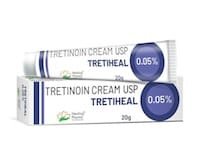
Buy Tretinoin Cream Online for Clearer Skin Today
Targeting Fine Lines and Hyperpigmentation
Think of your skin like a sturdy silk fabric that has been folded too many times. Over time, those tiny creases become permanent wrinkles. Tretinoin acts like a master weaver, working deep beneath the surface to stimulate your body’s natural collagen production. It essentially tells your skin cells to start building a fresh, resilient foundation again.
This biological boost is what helps smooth out those pesky fine lines. Rather than just sitting on the surface, the cream penetrates deeply to encourage cellular renewal. It is not a magic wand, but it is a powerful tool for anyone looking to reclaim a youthful, bouncy texture. You might notice a difference in how your skin reflects light.
As the collagen levels rise, the structural integrity of your dermis improves significantly. This process helps fill in the shallow grooves that characterize early aging. It is a long game, but the results often speak for themselves. Many patients find that their skin feels much firmer after consistent, nightly application of this potent retinoid.
Achieving this transformation requires patience, much like tending to a delicate garden. You won’t see a miracle overnight, but the cumulative effects are profound. By reinforcing the skin’s internal scaffolding, tretinoin addresses the very root of why wrinkles form in the first place, rather than just masking them with heavy moisturizers.
Fading Sun Damage and Age Spots
We all have those stubborn “sun kisses” that refuse to fade away. These dark spots and age spots are essentially the skin’s memory of every summer spent without enough protection. Tretinoin works by accelerating the turnover of these pigmented cells, effectively pushing the stained cells to the surface to be shed naturally.
It is a bit like scrubbing a stained countertop, but much gentler and more systematic. By increasing the rate at which your skin cells regenerate, the pigment becomes diluted and eventually disappears. This mechanism is particularly effective for treating solar lentigines, which are those uneven patches caused by long-term UV exposure.
If you have been dealing with uneven skin tone, you might feel like you are chasing shadows. However, the cream’s ability to normalize melanocyte activity helps bring everything back into balance. It tackles the hyperpigmentation that makes skin look tired or weathered, giving you a much more uniform and bright complexion.
Many users find that while the process takes weeks, the clarity of their skin improves remarkably. It is about more than just aesthetics; it is about correcting the visible damage caused by the sun’s rays. For those seeking professional-grade results at home, this prescription option remains a gold standard in dermatological care.
Smoothing Texture and Managing Acne
Have you ever run your fingers across your cheek and felt a sandpaper-like roughness? This uneven texture often stems from a buildup of dead skin cells that refuse to move along. Tretinoin acts as a chemical exfoliant, ensuring that your skin’s surface remains as smooth as polished marble.
Beyond texture, this cream is a heavy hitter when it comes to managing acne-related concerns. It helps keep your pores from becoming clogged by regulating the way your skin sheds cells. By preventing that “glue” of dead skin and oil from sticking together, it significantly reduces the frequency of breakouts and congestion.
It’s a bit of a double-edged sword initially, as some people experience a brief “purging” period. During this time, your skin might seem to get worse before it gets better. This is just the old, problematic cells making their grand exit to make room for the new, healthy ones underneath.
For those managing chronic acne or the lingering marks left behind by previous blemishes, tretinoin is a game-changer. It addresses the inflammation and the structural issues simultaneously. It is a comprehensive approach to skin health that goes far beyond a simple over-the-counter wash or a light moisturizer.
| Condition Treated | How Tretinoin Helps | Expected Result |
| Fine Lines | Boosts Collagen | Smoother Skin Surface |
| Dark Spots | Increases Cell Turnover | Faded Hyperpigmentation |
| Rough Texture | Exfoliates Dead Cells | Soft, Even Skin |
| Acne Marks | Regulates Cell Shedding | Reduced Redness/Spots |
When looking at the cost of maintaining this routine, it is helpful to compare options. You might find prices starting as low as $38.68 at various pharmacies. While the initial investment in your skin health is worth it, being savvy with coupons can certainly help keep your budget intact.
Comparing Tretinoin and Retinol Potency
Choosing between these two heavyweights is like deciding between a sprint and a marathon. While both belong to the retinoid family, they operate on entirely different frequencies. Retinol is the gentle acquaintance you meet at a local café, whereas tretinoin is the high-powered professional who gets straight to business without any small talk.
If you are looking for a quick fix, you might find yourself feeling a bit disappointed with over-the-counter retinol. It requires a certain level of patience, acting as a slow burn that gradually nudges your skin toward better health. It doesn’t demand much from your skin’s tolerance, making it a very forgiving companion for beginners.
Tretinoin, however, is a different beast entirely. Because it is a pure form of retinoic acid, it doesn’t need to undergo a conversion process within your skin cells. It hits the ground running, delivering results that feel much more immediate and visible compared to its gentler, over-the-counter cousin.
The Cellular Tug-of-War
To understand why they differ, we have to peek under the hood at your skin’s biological machinery. Retinol must first be converted into retinaldehyde and then into retinoic acid before your cells can actually use it. This extra step is like a relay race where the baton is passed through several hands, slowing down the signal.
Tretinoin skips the middleman entirely. It arrives at the cellular level ready to work, directly influencing how your skin behaves. It effectively tells your cells to speed up their turnover rate, pushing old, damaged cells to the surface much more aggressively. This direct biological impact is why it holds such a prestigious reputation in dermatology.
Because of this directness, the physiological impact is significantly more intense. Retinol works subtly on the surface, gently encouraging cell renewal. Tretinoin, by contrast, dives deep into the structural layers to stimulate collagen production and refine the skin’s architecture with much greater force and precision.
This difference in mechanism is why the “speed of results” is such a common topic of debate. While retinol might take months to show a meaningful change in texture, tretinoin can start reshaping your skin’s appearance much sooner. It is the difference between a slow tide coming in and a sudden wave hitting the shore.
Gradual Shifts versus Rapid Transformation
When you start using a high-strength retinoid, you shouldn’t expect a miracle overnight. In fact, if you’re using tretinoin, you might actually see your skin look a bit worse before it looks better. This “purging” phase is a sign that the rapid cell turnover is working, pushing everything to the surface at once.
Retinol follows a much more predictable, gradual improvement profile. You won’t experience the dramatic peeling or redness that often accompanies prescription-strength creams. It is a slow and steady climb, making it ideal for those who want to avoid the “rollercoaster” effect of more aggressive topical treatments.
For those with sensitive skin, the choice is often made for them by their skin’s reaction to the environment. If your face turns red or feels tight at the slightest hint of a new product, retinol is likely your safest bet. It provides a gentle nudge rather than a forceful shove, allowing your skin to adapt slowly.
However, if your goal is aggressive anti-aging—specifically targeting deep wrinkles or stubborn sun damage—tretinoin is often the superior tool. It is designed for those who can handle the initial irritation in exchange for the most potent results available without a professional procedure.
To help you navigate the market, here is a comparison of common pricing and availability for these options:
| Product Type | Typical Strength | Estimated Starting Cost | Availability |
|---|---|---|---|
| Retinol (OTC) | 0.1% – 1.0% | $15 | Over-the-Counter |
| Tretinoin (Prescription) | 0.025% – 0.1% | $38.68 | Prescription Only |
| Prescription Services | Customized | $50 | Online/In-Clinic |
Prescription Strength and Dosage Protocols
Navigating Concentration Levels
When you step into a dermatologist’s office, you aren’t just picking a product off a shelf like a bag of chips. The strength of your tretinoin is a deliberate choice made to match your skin’s unique resilience. It is a delicate balancing act between seeing results and maintaining a healthy skin barrier.
Most clinicians start patients on a lower concentration, typically 0.025%. Think of this as dipping your toes into a cold pool; it allows your skin to acclimate without causing a shock to the system. It is often the “training wheels” phase of your skincare journey, ensuring you don’t overdo it too soon.
If your skin handles the mildest version without much fuss, your doctor might graduate you to 0.05% or even the potent 0.1% strength. This higher concentration is the heavyweight champion for tackling stubborn dark spots and deep-set wrinkles. It demands more from your skin’s ability to repair itself overnight.
Choosing the wrong starting point can be a recipe for disaster. Jumping straight to 0.1% when your skin is sensitive is like trying to run a marathon without ever having walked a mile. You might get the results you crave, but you’ll likely pay for it with intense redness and peeling.
The Art of the Slow Build
For most newcomers, the golden rule is “start low and go slow.” You shouldn’t dive into daily application right away. Instead, many dermatologists suggest a “sandwich” method or a gradual increase in frequency. This prevents the dreaded “retinoid ugly phase” where your skin feels like parched desert sand.
A common protocol involves applying the cream just twice a week at first. You might use it Monday and Thursday, watching how your skin reacts during the days in between. If there is no excessive dryness or irritation, you can slowly bump that frequency up to every other night.
Eventually, the goal for many is nightly application, but this is a milestone, not a starting line. It’s vital to listen to your skin’s subtle cues. If your face feels tight or looks shiny like plastic, you might need to scale back your frequency for a few days.
Consistency is far more important than intensity. Using it every night for a week and then quitting because your skin is peeling is a waste of time and money. It is a marathon, not a sprint, and patience is your most valuable ingredient in this process.
Risks of Overuse and Excess
It is incredibly tempting to think that “more is better” when you are chasing perfection. You might feel like applying a thick layer will speed up the results. However, with tretinoin, more is almost certainly more trouble than it is worth. Excess product won’t work faster; it will just cause irritation.
Applying too much cream can lead to significant skin barrier damage. This manifests as stinging, persistent redness, and even weeping or crusting of the skin. When your barrier is compromised, you become much more susceptible to environmental damage and even more irritation from other products.
The “less is more” mantra is particularly relevant here. A pea-sized amount for the entire face is usually all you need. Using more than that is essentially throwing money down the drain while simultaneously inviting a flare-up of dermatitis or localized peeling.
If you find yourself experiencing extreme dryness, don’t just push through the pain. Take a break. Sometimes, stepping away from the active ingredient for a few days to focus on heavy moisturizers is the smartest way to get back on track.
The Necessity of Medical Oversight
You cannot simply wander into a pharmacy and grab a tube of tretinoin. Because it is a potent medication that alters cell behavior, it requires a prescription from a licensed healthcare professional. This ensures that the treatment is appropriate for your specific skin type and medical history.
A doctor needs to assess whether you have contraindications, such as pregnancy or certain skin conditions that could be aggravated by the cream. They act as your guide, ensuring the prescription you receive is safe and effective for your long-term skin health goals.
While online prescription services have made the process much more convenient, the requirement for medical consultation remains a hard line. You are essentially using a medical-grade tool, and it requires a professional’s “okay” to ensure you aren’t causing long-term damage.
Think of it as a professional consultation versus a casual glance. A doctor provides the roadmap, while you provide the discipline. This oversight is what separates a successful anti-aging regimen from a frustrating cycle of irritation and wasted resources.
Market Pricing and Cost-Saving Strategies
Navigating the financial landscape of prescription skincare can feel like walking through a minefield. You might expect to break the bank for medical-grade results, but the reality is often more nuanced. Prices fluctuate based on where you shop and how you source your prescription.
Current market data indicates that you can find tretinoin starting at approximately $38.68. This price point is a welcome relief for those on a budget. However, keep in mind that this is often the baseline for generic options and may change based on your specific dosage or quantity.
It is not uncommon to see significant variation when you step into a local pharmacy. One day you might find a deal that feels like a steal, and the next, the price has climbed. Staying informed about these shifts is the only way to keep your skincare routine sustainable.
Pharmacy Comparison and Retail Realities
When you walk into major retailers like CVS or Walgreens, you are paying for convenience and immediate availability. These big-box pharmacies are incredibly reliable for picking up a prescription on your way home from work. However, convenience often comes with a premium price tag.
Retail costs at these major chains can vary wildly depending on your insurance coverage and whether you have a preferred pharmacy account. It is worth noting that local pharmacy prices often sit at the higher end of the spectrum compared to specialized online providers. Don’t be surprised if a quick price check reveals a gap.
I once knew a friend who spent nearly triple the amount at a local drugstore simply because she didn’t check the digital coupon section first. It is a classic mistake. Before you hand over your credit card, always take a moment to compare the local retail price against online alternatives.
If you are looking for the most economical route, you might want to look beyond the neon signs of the corner drugstore. While the convenience of a 24-hour pharmacy is tempting, the savings found through digital discount services can add up to significant money over a year.
Maximizing Your Savings with Coupons and Services
Saving money on prescriptions is an art form that requires a bit of legwork. Using discount services like GoodRx can be a total game-changer for your wallet. These platforms allow you to compare prices and find the lowest rates available in your immediate area.
You can often find massive discounts by using digital coupons that you simply present at the pharmacy counter. It is almost like magic; you show the pharmacist your phone, and suddenly that $100 prescription drops significantly. It is a simple step that many people overlook in their haste.
Beyond coupons, many people are turning to online prescription services to bypass the high overhead of physical stores. These platforms often offer streamlined pricing models that are specifically designed to be more competitive than traditional brick-and-mortar options. It is a modern way to handle a modern problem.
Always remember to check for manufacturer coupons if you are using a specific brand. Sometimes, the pharmaceutical companies themselves offer assistance programs. It takes a little extra clicking, but when you are committing to a long-term treatment, every dollar saved is a win for your skin and your bank account.
Brand Name vs. Generic Options
The battle between brand name Retin-A and generic tretinoin is one many skincare enthusiasts face. Retin-A is the household name, the “gold standard” that many doctors mention by default. While it is highly effective, it often carries a much higher price tag due to brand recognition.
Generic versions of tretinoin contain the exact same active ingredient. They are designed to do the same heavy lifting for your wrinkles and dark spots. For most people, the generic version is a much more sensible choice that delivers the same clinical results without the “brand name tax.”
Think of it like buying milk; the name on the carton might be different, but the nourishment remains the same. If your budget is tight, switching to a generic is one of the easiest ways to maintain your regimen without feeling the pinch. It is a practical strategy for long-term success.
Ultimately, your dermatologist can help you decide if a specific formulation matters for your skin. However, for the vast majority of users, the generic route is the secret weapon for affordable, high-performance anti-aging. You shouldn’t have to choose between your financial health and your skin’s radiance.
Online Pharmacy and Delivery Options
Navigating the digital landscape for prescription skincare can feel like wandering through a maze. You might find yourself staring at a screen, wondering if a click of a button is actually safe. The modern process usually begins with a digital consultation or a direct upload of your existing doctor’s orders.
Most reputable platforms use a streamlined telemedicine approach to bridge the gap. You typically answer a series of health questions via a secure portal to ensure the medication is appropriate for your skin. It is a bit like a digital check-up, ensuring you don’t jump into a high-strength regimen without proper guidance.
Once your medical necessity is confirmed, the platform handles the heavy lifting. They coordinate with licensed physicians to validate your prescription and send it to a partner pharmacy. It is a seamless loop designed to save you the hassle of driving around town just to pick up a small tube.
For those who prefer a familiar name, Amazon Pharmacy has become a significant player in this space. They offer a highly integrated experience where you can manage your prescriptions with just a few taps. It removes much of the friction traditionally associated with getting specialized topical treatments delivered.
Using a service like this can be a massive relief for busy professionals. You can track your shipment just like any other package, knowing exactly when your skin’s new best friend will arrive on your doorstep. It turns a medical necessity into a simple, predictable delivery.
However, when you are ordering something as potent as tretinoin, shipping logistics matter more than you might think. Because these creams are often sensitive to extreme temperatures, the way they travel is crucial. You don’t want a heatwave turning your expensive prescription into a useless liquid mess.
When reviewing your delivery options, keep these factors in mind:
- Temperature Control: Check if the provider uses insulated packaging for summer shipments.
- Tracking Accuracy: Ensure the service provides real-time updates so you can monitor the package.
- Delivery Speed: Consider whether you need overnight shipping to prevent long-term storage issues.
- Signature Requirements: Some pharmacies require an adult signature for certain controlled or sensitive medications.
I remember a customer who waited two weeks for a shipment, only to find the cream had been sitting in a hot mailbox. It is a bitter pill to swallow, and it highlights why choosing a provider with climate-aware shipping is a non-negotiable for many.
Safety should always be your North Star when browsing for online providers. It is incredibly easy to fall down a rabbit hole of “miracle” websites that offer incredibly low prices but lack any real legitimacy. If a deal feels too good to be true, it almost certainly is.
Always verify that the pharmacy is licensed in your specific state. You can often find this information on your state’s board of pharmacy website. A legitimate provider will never ask for payment via untraceable methods like gift cards or wire transfers; if they do, run for the hills.
A certified online pharmacy will always require a valid prescription from a healthcare professional. They won’t just hand over potent retinoids like they are candy. This layer of protection is there to keep you safe from the potential irritation or adverse reactions that can occur with improper use.
To help you weigh your options, look at the following comparison of common procurement methods:
| Method | Pros | Cons | Typical Cost Range |
| Local Brick-and-Mortar | Immediate pickup; face-to-face advice. | Higher prices; limited hours. | $40 – $150+ |
| Amazon Pharmacy | High convenience; integrated with Prime. | Requires existing digital setup. | $35 – $100 |
| Telehealth Services | Doctor consultation included. | Requires multiple steps/steps. | $50 – $150 |
At the end of the day, the best choice is the one that balances safety, cost, and reliability. Whether you are saving $20 by using a coupon or paying a bit more for expedited, temperature-controlled shipping, your goal remains the same: healthy, glowing skin without the unnecessary stress.
Managing Skin Sensitivity and Side Effects
Embarking on a tretinoin journey is often like training for a marathon; your skin needs time to build up its stamina. It is not uncommon to encounter a “learning curve” where your face feels a bit more sensitive than usual. Many users report a period of redness or tightness that feels like a persistent winter chill on the cheeks.
Dryness is perhaps the most frequent visitor when you first start this regimen. You might notice fine, flaky patches that seem to appear out of nowhere, making your usual moisturizer feel insufficient. This isn’t necessarily a sign that the cream is failing, but rather that your skin’s moisture barrier is adjusting to the increased cell turnover.
Some people also experience the dreaded “retinoid purge.” This is essentially your skin’s way of clearing out the old to make room for the new. It can manifest as a sudden breakout of acne or small bumps. It feels like a storm is passing through, but it is often a temporary phase of the deep-cleaning process.
If you find yourself looking in the mirror and seeing more irritation than glow, don’t panic. Most of these side effects are manageable with patience and the right supportive products. Think of it as a temporary trade-off for the long-term rewards of smoother, more youthful skin.
Navigating the Adjustment Period
To smooth out the rough edges of your new routine, consider the “sandwich method.” This involves applying a thin layer of moisturizer, then your tretinoin, and finally another layer of moisturizer on top. It acts like a buffer, protecting your skin while still allowing the active ingredient to work its magic underneath.
Frequency is your best friend when it comes to avoiding a flare-up. Instead of jumping into the deep end by applying it every single night, start slow. Try using it just twice a week for the first fortnight. This gradual approach helps your skin build up a tolerance without feeling like it’s under constant siege.
Hydration is your secret weapon during the initial weeks of use. Look for ingredients like ceramides or hyaluronic acid to replenish what the tretinoin might be stripping away. A rich, non-comedogenic cream can be the difference between a healthy glow and a face that feels like sandpaper.
I once talked to a woman who almost quit after week two because her skin was so parched. Once she implemented the sandwich method and slowed her application schedule, her skin settled down beautifully. It is all about listening to your skin’s subtle whispers before they turn into loud screams.
The Non-Negotiable Sunscreen Rule
If tretinoin were a movie, SPF would be the mandatory sequel. Because this cream speeds up cell turnover, your skin is essentially “new” and much more vulnerable to the sun’s damaging rays. Using tretinoin without sun protection is like running out into a desert without a hat or water.
Daily use of a broad-spectrum sunscreen is absolutely essential, even on cloudy days or when you are just sitting near a window. The UV rays can trigger hyperpigmentation or even cause sun damage that defeats the purpose of your expensive treatment. It is a small price to pay for the protection you need.
When shopping for sun protection, look for an SPF of 30 or higher. You might spend $15 to $30 on a high-quality mineral sunscreen, but it is a much better investment than trying to fix sun damage later. Think of it as an insurance policy for your complexion.
Consistency is key here; you cannot simply wear SPF when you think you’ll be outdoors. It must be a morning ritual, just like brushing your teeth. Without this habit, you are essentially driving a fast car with no brakes—you might go quickly, but the crashes can be quite messy.
When to Reach Out to a Professional
While a little redness is normal, there is a clear line between “adjusting” and “reacting.” If your skin becomes intensely painful, starts to swell, or develops weeping sores, it is time to put the tube away and call your doctor. You shouldn’t have to endure extreme discomfort to see results.
It is also wise to consult your healthcare provider if you notice any unexpected allergic reactions, such as hives or significant itching. While the cream is designed to change how your skin behaves, it shouldn’t cause a systemic reaction. Your dermatologist is your best ally in determining if a reaction is normal or an adverse event.
If you are unsure about a specific symptom, don’t be a hero. It is always better to ask a professional than to keep applying a product that might be causing harm. They can help you adjust your dosage, suggest a different strength, or perhaps recommend a different way to integrate the cream into your life.
Keep a simple log of how your skin feels each day. If you have a sudden flare-up, you can tell your doctor exactly when it started and what products you were using. This data is gold for a medical professional trying to help you achieve your skincare goals safely.
