

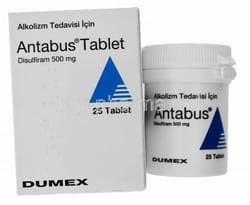
Buy Antabuse Online: Get Best Prices and Fast Shipping Today
Mechanisms and Physiological Effects
Think of your liver as a busy factory floor where enzymes work around the clock. When you take a sip of alcohol, the body breaks it down through a two-step dance. First, alcohol dehydrogenase turns it into acetaldehyde, a toxic byproduct. Then, aldehyde dehydrogenase quickly neutralizes that poison into harmless acetic acid.
Antabuse, known scientifically as disulfiram, throws a massive wrench into this machinery. It acts like a heavy padlock on the second enzyme in that metabolic chain. By inhibiting aldehyde dehydrogenase, the drug ensures that toxic acetaldehyde doesn’t get processed. It lingers in the bloodstream, turning a small drink into a chemical storm.
Imagine a dam breaking during a heavy rainstorm. Without that second enzyme to clear the path, acetaldehyde builds up rapidly within your system. This buildup triggers the infamous “disulfiram reaction.” It is not a subtle warning; it is a physiological alarm bell that screams through every nerve and vessel in your body.
When this reaction hits, the symptoms are intense and feel like a sudden, violent sickness. It is as if your body has been hit by a freight train of discomfort. Patients often experience a rapid, pounding heartbeat and a sudden, flushing heat that spreads across their skin like wildfire.
The Disulfiram Reaction
The physical response to alcohol while taking this medication is a biological revolt. It isn’t just a mild stomach ache; it is a full-scale systemic rejection. Nausea and projectile vomiting often follow within minutes of even a single drop of alcohol touching your lips.
The sensation can be incredibly overwhelming. You might feel your chest tighten or experience a crushing sensation in your throat. It is a frightening experience that serves as a physical deterrent, making the very idea of drinking feel like a dangerous gamble with your health.
Medical professionals monitor these reactions closely because they can be quite severe. While the goal is to discourage drinking, the intensity of the reaction requires careful supervision. Patients must understand that this is a controlled, predictable physiological response designed to enforce sobriety.
Common symptoms observed during a reaction include:
- Severe, throbbing headache
- Tachycardia (rapid heart rate)
- Flushing of the face and neck
- Dizziness and intense perspiration
- Nausea and abdominal cramping
Biological Impact and Safety
Because the reaction is so potent, the medication requires a strict “sober window” before starting. You cannot simply walk into a bar after your last drink. It takes time for the drug to clear your system, ensuring you don’t accidentally trigger a crisis. This period is crucial for safety.
Doctors often discuss the cost of monitoring these levels during treatment. While the medication itself is manageable, specialized care can vary. For instance, a consultation might run around $150, while specialized monitoring in a clinical setting could easily exceed $500 per session depending on your location.
It is vital to remember that this is a tool for behavioral change, not a cure for the underlying addiction. It works by making the physical act of drinking so unpleasant that the brain begins to associate alcohol with pain. It is a psychological deterrent powered by a biological consequence.
| Effect Type | Mechanism | Intensity |
| Metabolic | Enzyme Inhibition | High |
| Physical | Acetaldehyde Buildup | Severe |
| Psychological | Aversion Conditioning | Moderate to High |
Prescription Dosage and Administration Protocols
The specifics of how this medication is taken are like learning the rules of a high-stakes game. You cannot just pop a pill whenever you feel like it; the timing must be precise. Doctors typically tailor the regimen to the individual’s specific history and their current level of sobriety to ensure the best chance of success.
Standard protocols often begin with a loading dose or a steady daily pill. Most patients find themselves taking 250mg or 500mg once every single day. It is a commitment that requires discipline, acting as a daily anchor that keeps the biological deterrent active in the bloodstream to prevent any slip-ups.
The timing of your dose is the linchpin of the entire process. Usually, the pill is taken at the same time each day, often in the morning. This consistency ensures that the enzyme inhibition remains steady, leaving no gaps in the “chemical shield” that protects the patient from the temptation of a drink.
It is not uncommon for a physician to adjust the dose based on how the patient is responding. Some might find a smaller dose sufficient to maintain the aversion, while others might require the full strength to stay on track. It is a delicate balance between efficacy and minimizing side effects.
Clinical Monitoring and Oversight
You aren’t just handed a prescription and sent on your way. Because of the intensity of the reaction, there is a heavy emphasis on professional oversight. Doctors want to watch how your body reacts to the drug itself before they even consider the risk of alcohol exposure.
Regular check-ups are the bread and butter of a successful treatment plan. These visits allow the medical team to monitor liver function and ensure no unexpected toxicity is occurring. It is better to catch a minor issue early than to wait until it becomes a massive, expensive problem later.
During these sessions, your healthcare provider might run blood tests to check your enzyme levels or overall metabolic health. It is a proactive way to ensure that the medication is doing its job without causing undue harm to your internal organs. Safety is always the primary objective here.
Patients should be prepared for various levels of care depending on their specific needs. Below is a breakdown of common cost structures for different levels of clinical support and monitoring services:
| Service Level | Typical Monitoring Frequency | Estimated Cost |
| Basic Outpatient | Monthly Check-ups | $120 |
| Standard Intensive | Bi-weekly Check-ups | $250 |
| Clinical Supervision | Weekly Specialist Visits | $450 |
| Comprehensive Care | Daily Remote Monitoring | $800 |
Adherence and Patient Compliance
The most critical factor in the success of this protocol is strict adherence. If you skip a dose, you might feel a false sense of security, but the drug’s protective effect is a moving target. Missing even one day can leave a window of vulnerability that is dangerous to navigate.
Think of it like keeping a fire burning in a hearth; if you stop adding wood, the warmth fades away. Similarly, your bloodstream needs that consistent dose to maintain the inhibition of aldehyde dehydrogenase. Consistency is the secret sauce that makes the psychological conditioning actually stick long-term.
If you accidentally consume alcohol, do not try to “tough it out” alone. This is a medical emergency that requires immediate professional intervention. You should know exactly who to call if you feel the onset of a reaction, as speed is of the essence to manage the symptoms.
Many patients find success by using tools to help them stay on track. These might include:
- Daily smartphone alarms set for the exact same time.
- Pill organizers that provide a visual cue of missed doses.
- Support groups that provide the accountability needed for long-term success.
- Journaling to track how the medication affects your overall mood.
Current Market Pricing and Cost Factors
Prescription and Pharmacy Expenses
Navigating the pharmacy counter can feel like walking through a minefield of unexpected expenses. The sticker price for Antabuse varies wildly depending on whether you are paying out-of-pocket or utilizing insurance. It is wise to prepare for the fact that the raw cost of the medication itself is only one piece of the financial puzzle.
Typically, a thirty-day supply of the 250mg tablets might range between $30 and $150. However, if you are looking for the higher 500mg strength, expect to see those numbers climb. It is a bit like buying fuel for a long trip; the more power you need, the more you are going to spend at the pump.
Insurance coverage plays a massive role in your bottom line. Many private plans cover this medication under their specialty pharmacy tier, which can significantly lower your copay. Without coverage, though, the financial burden can feel like a heavy weight on your shoulders during an already difficult recovery journey.
To keep your wallet from feeling the pinch, consider these strategies:
- Requesting generic versions to bypass high brand-name markups.
- Using discount cards to see if they beat your insurance copay.
- Discussing long-term mail-order options with your pharmacist.
- Asking about manufacturer assistance programs if you are uninsured.
Hidden Costs of Treatment
When people talk about the cost of treatment, they often forget about the “invisible” expenses. It isn’t just the pill in the bottle; it is the infrastructure required to make that pill work safely. You have to account for the logistics of staying healthy while under the influence of such a potent deterrent.
Laboratory fees can sneak up on you like a thief in the night. Routine blood panels to check liver enzymes are non-negotiable for safety, and these tests carry their own price tags. These aren’t optional luxuries; they are the guardrails that keep the entire medical process from veering off the road.
Transportation and time away from work also add up. If you have to travel to a specialist’s office for weekly check-ups, the gas and the lost wages start to stack up. It is a significant investment of both time and money that requires a realistic budget to manage effectively.
Below is a rough estimate of common ancillary costs you might encounter during your first few months:
| Expense Category | Estimated Monthly Cost | Frequency |
| Standard Blood Work | $40 – $100 | Monthly |
| Specialist Consultation | $150 – $300 | As Needed |
| Pharmacy Delivery | $10 – $25 | Per Shipment |
Acquisition and Safe Procurement Methods
The Legal Pathway to Prescription
Seeking this medication is not like picking up something off a grocery shelf; it requires a formal medical handshake. Because of how the drug interacts with your body, you cannot simply order it from a random website without facing significant risks. It is a strictly regulated substance that demands a licensed professional’s oversight to ensure your safety.
Your journey begins with a clinical evaluation. A doctor needs to assess your liver function and overall health history before they can write a valid script. Trying to bypass this step by seeking “gray market” sources is like driving a car without brakes; it might seem faster, but the crash is almost inevitable and potentially fatal.
Once you have your prescription, you have several legitimate avenues for procurement. Most people find the most success by working through local retail pharmacies or specialized mail-order services. These established channels provide the peace of mind that the pills in your hand are genuine and have been stored under proper medical conditions.
When selecting a provider, keep these safety benchmarks in mind:
- Verify that the pharmacy is licensed in your specific state.
- Confirm the facility has a physical address and a working phone number.
- Avoid any vendor that refuses to require a doctor’s prescription.
- Look for retailers that offer secure, encrypted payment processing.
Navigating Online Pharmacy Safety
The digital age has made it incredibly easy to find pharmacies, but this convenience is a double-edged sword. The internet is a vast ocean, and it is easy to get lost in a sea of “rogue” websites promising lightning-fast shipping at suspiciously low prices. If a deal seems too good to be true, it almost certainly is.
Legitimate online pharmacies will always ask for a prescription from your physician. If a site claims they can ship medication without one, they are likely selling counterfeit or expired products. Using these sites is like gambling with your life; the house always wins, and the stakes are your physical well-being and long-term recovery.
To stay on the safe side, look for the “VIPPS” seal or similar accreditation marks on pharmacy websites. These certifications act like a digital badge of honor, signaling that the pharmacy adheres to rigorous safety and quality standards. It is a small step that saves you from the nightmare of receiving a box of nothing.
A quick checklist for online safety:
| Red Flag | Safe Sign |
| Asks for cash only | Accepts major credit cards |
| No doctor consultation | Requires valid prescription |
| Extremely low prices | Prices match market averages |
| Unclear contact info | Provides clear, local contact |
