

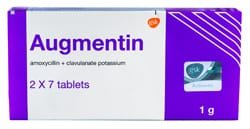
Buy Augmentin Online: Best Prices and Fast Delivery
Common Clinical Applications for Amoxicillin and Clavulanate
Fighting Respiratory and Sinus Infections
When a sinus infection refuses to budge, doctors often reach for a heavier hitter. Sinusitis can be a real thorn in your side, causing pressure that feels like a heavy weight against your face. In these cases, standard penicillin might simply fall short of the mark against stubborn bacteria.
Pneumonia and bronchitis represent more serious battles within the lungs. These infections can make every breath feel like you are inhaling through a wet sponge. Because these lower respiratory issues can be quite aggressive, medical professionals often prefer the dual-action approach provided by this specific combination therapy.
It is not just about the symptoms, but the specific invaders causing the trouble. Whether it is a lingering cough from bronchitis or the deep chest ache of pneumonia, having the right tools is vital. Using a broad-spectrum option ensures that the treatment hits the target effectively.
Think of it like a locksmith having the right key for a complex lock. Sometimes, a simple key won’t turn the cylinder. For many respiratory issues, the combination of medications provides that extra “turn” needed to clear the infection and get your breathing back to normal.
The Science of Overcoming Resistance
Bacteria are clever; they don’t just sit there waiting to be defeated. They have developed sneaky ways to protect themselves, often using enzymes to dismantle the antibiotic before it can do its job. This biological “shield” is a major headache for modern medicine.
This is where clavulanate steps onto the stage like a specialized bodyguard. It doesn’t kill the bacteria itself, but it acts as a decoy. It intercepts those defensive enzymes, neutralizing them so the amoxicillin can swoop in and finish the job without interference.
Without this inhibitor, many common infections would become much harder to treat. It is a tactical maneuver designed to bypass the bacteria’s natural defenses. This synergy is what transforms a standard antibiotic into a much more formidable weapon against resistant strains.
You can view this relationship as a classic “distract and destroy” mission. While the clavulanate keeps the enemy busy, the amoxicillin delivers the decisive blow. This mechanism is essential for managing infections that have learned how to shrug off simpler penicillin-class drugs.
Distinguishing Common Infections
Not all infections are created equal, and identifying the site of the problem is a crucial step in treatment. Ear infections often present with sharp, localized pain that can be particularly distressing for children. They require a targeted approach to ensure the infection doesn’t spread further.
On the other hand, urinary tract infections (UTIs) present a completely different set of challenges. These often involve burning sensations or frequent urges to go. Because the environment in the urinary tract is so different from the ear, the bacterial landscape is entirely different too.
It is vital to distinguish between these two to ensure the patient receives the correct regimen. While the medication might be the same, the duration and dosage can vary significantly. A doctor’s diagnosis is the compass that guides this entire medical journey.
Patients often ask if one pill can do it all. While this combination is versatile, the clinical application depends entirely on where the battle is fought. Whether it’s the ear, the bladder, or the lungs, the specific infection dictates the clinical path.
Broad-Spectrum vs. Standard Amoxicillin
Sometimes, a simple tool is all you need for a small task. If a bacterial infection is straightforward and sensitive to penicillin, a standard dose of amoxicillin might be the most efficient route. It is a “less is more” philosophy that prevents unnecessary exposure to stronger agents.
However, when the stakes are higher or the bacteria seem particularly “tough,” doctors pivot to a broad-spectrum approach. This is necessary when there is a high suspicion of resistance. It is better to use a heavy-duty option than to let an infection linger and grow.
The choice often boils down to a cost-benefit analysis of efficacy versus potential side effects. While the combination is powerful, clinicians aim to use the most precise tool available. They want to hit the infection hard without overdoing it if a simpler path exists.
Ultimately, the decision rests on the clinical presentation and the patient’s history. If you are looking at the cost of treatment, prices can vary. For example, a generic bottle might cost around $15.00, while a brand-name version could climb toward $50.00 depending on your local pharmacy.
- Sinusitis: Often requires the combination to bypass bacterial resistance.
- Pneumonia: A common use for broad-spectrum coverage in the lungs.
- UTIs: Effective for various bacterial strains in the urinary tract.
- Otitis Media: Frequently treated when standard amoxicillin fails.
Standard Dosage Protocols for Adults and Children
Navigating the world of antibiotics can feel like walking through a minefield without a map. When a doctor writes a prescription for Augmentin, they aren’t just throwing darts at a board. They are calculating a precise mathematical formula designed to strike the infection with maximum force while keeping your body’s equilibrium intact.
Adult dosages are often a moving target, shifting depending on whether you are fighting a stubborn sinus infection or a more aggressive case of pneumonia. Generally, clinicians look at the strength of the amoxicillin component relative to the clavulanate. Common regimens might involve taking 500mg or 875mg tablets, depending on the severity of the bacterial siege.
It is not just about the amount of medicine, but also the timing of the strike. For many adults, taking the dose at the start of a meal can act as a buffer. This helps settle the stomach and ensures the medication is absorbed efficiently, preventing that dreaded wave of nausea that often accompanies antibiotic therapy.
If you miss a dose, don’t panic, but don’t double up either. Think of it like a scheduled patrol; you want to keep the levels steady in your bloodstream. A sudden spike or a sudden drop can give the bacteria a window of opportunity to regroup and fight back harder than before.
Pediatric Dosing and Weight Sensitivity
When it comes to children, the math changes entirely. We cannot simply give a toddler a pill meant for an adult; that would be like using a sledgehammer to fix a delicate watch. Instead, pediatric dosing is almost always calculated based on the child’s weight in kilograms. This ensures the dose is “just right” for their smaller frame.
For a mild ear infection, the dosage might be relatively light. However, if a child is battling a more severe lower respiratory infection, the doctor will likely ramp up the concentration. It is a delicate balancing act. Too little, and the infection lingers; too much, and the gastrointestinal side effects can become quite a headache for parents.
Parents often find themselves playing “pharmacist” with liquid suspensions. It is vital to use the measuring device that comes with the medication rather than a kitchen spoon. A teaspoon might look accurate, but in the world of pediatric medicine, a few milliliters can make a massive difference in how the drug performs.
Always keep a close eye on how your little one is reacting. While the medicine is working hard to kill the bad guys, it can sometimes cause a bit of tummy upset. If you notice anything unusual, like a sudden rash or severe diarrhea, reach out to your pediatrician immediately to stay on the safe side.
The Importance of Finishing the Course
One of the biggest mistakes people make is stopping their medication as soon as they start feeling better. It is a tempting trap. When the fever breaks and the pain vanishes, it feels like the war is won. But in reality, the strongest bacteria might still be lurking in the shadows, waiting for their turn.
Stopping early is like pulling the plug on a fire before the embers are fully out. The weakest bacteria die first, which is why you feel better. However, the survivors are the toughest, most resilient ones. If you stop now, you are essentially training those survivors to resist the drug the next time you get sick.
Think of the full course of treatment as a complete mission. You cannot leave a task half-finished and expect a successful outcome. By finishing every single pill, even when you feel 100% healthy, you ensure that every single bacterial invader is completely wiped out for good.
This practice is the cornerstone of preventing antibiotic resistance. It protects not just you, but the community at large. When we use these tools correctly and thoroughly, we keep them effective for everyone. It is a small commitment of time that offers a massive return on your long-term health.
Timing and Absorption Strategies
Timing is everything when you are trying to maintain a steady therapeutic level in your blood. You want the concentration of the drug to remain within a specific window. If the levels dip too low between doses, the bacteria might start to adapt and develop defensive mechanisms against the medication.
Most regimens require taking the dose every 12 hours or every 8 hours. Consistency is your best friend here. Setting an alarm on your phone can be a lifesaver. It turns a vague intention into a disciplined routine, ensuring that the “bodyguard” clavulanate is always present to protect the amoxicillin.
We often suggest taking the medication with food to minimize the chance of stomach upset. This is especially true for Augmentin, which can be a bit rough on the digestive system. A light snack can act as a cushion, allowing the drug to do its work without causing unnecessary irritation.
Below is a comparison of common pharmacy costs for various Augmentin-related pricing options. Please note that actual costs will vary based on your insurance coverage and local pharmacy rates.
| Option Type | Quantity/Term | Estimated Cost |
| Generic Amoxicillin/Clavulanate | 30-Day Supply | $18.00 |
| Brand Name Augmentin | 30-Day Supply | $55.00 |
| Generic (With Insurance) | 30-Day Supply | $12.00 |
| Brand Name (With Insurance) | 30-Day Supply | $35.00 |
Market Price and Cost Analysis in USD
Navigating the pharmacy counter can often feel like walking through a financial minefield. One moment you are looking at a price tag, and the next, you are staring at a receipt that looks like a phone number. For many patients, the cost of Augmentin is a significant factor in how they manage their health and recovery.
When you step into a pharmacy, you will notice a distinct gap between the brand-name product and its generic counterparts. Many people assume “brand name” automatically means better results, but in the world of antibiotics, the active ingredients are often identical. This distinction is the primary driver behind the price differences you will see on the shelf.
Generic versions of amoxicillin/clavulanate potassium are widely available and usually much easier on the wallet. Most savvy shoppers opt for the generic route to keep their medical spending in check. It is a practical way to get the exact same therapeutic effect without paying the “brand name premium” that comes with the original label.
Price Variations and Generic Savings
The retail price for Augmentin is not a fixed number carved in stone. It fluctuates like the tide depending on several moving parts. For instance, if you are buying the brand-name version, you might find yourself paying upwards of $55.00 for a standard month’s supply. This can be a tough pill to swallow for many families.
On the other hand, generic versions are often the silver lining for budget-conscious patients. You might find a 30-day supply of generic amoxicillin/clavulanate for as little as $18.00. This difference of nearly $40.00 can make a massive impact on your monthly grocery budget or other essential household expenses.
Location also plays a massive role in what you ultimately pay at the register. A pharmacy located in a busy metropolitan center or a high-end shopping mall might charge more than a small, local mom-and-pop shop in a quiet suburb. It is always worth a quick phone call to compare rates before making the trip.
The Role of Insurance and Quantity
Insurance is the great equalizer in the healthcare market, but it is also a bit of a wildcard. Depending on your specific plan, your out-of-pocket cost could plummet significantly. For some, a generic prescription might only cost $12.00 after their insurance co-pay is applied to the total.
However, if you are stuck with a brand-name requirement, even with insurance, the costs can remain high. You might still see a bill for $35.00 or more depending on your deductible and coverage tier. Always check your formulary to see where your specific prescription falls in the hierarchy.
The quantity of pills you receive also shifts the math. A short course for a simple ear infection will obviously cost less than a long-term regimen for pneumonia. It is important to ensure your doctor writes the prescription for the exact duration needed to avoid paying for extra tablets you won’t use.
- Generic vs. Brand Name: Generics are significantly cheaper than the brand-name version.
- Pharmacy Location: Prices vary based on local competition and overhead costs.
- Insurance Coverage: Co-pays can drastically reduce your final out-of-pocket expense.
- Dosage Strength: Higher milligram tablets may influence the total cost per pill.
Comparing Tablet Strengths
Not all Augmentin prescriptions are created equal, and the strength of the tablet matters for your wallet. For example, a 250mg tablet is a common starting point, but higher dosages like 500mg or 875mg are often required for more stubborn infections. These higher-strength doses can sometimes carry a different price point.
When the dosage increases, the concentration of the active ingredients changes, which can influence the manufacturing cost. Patients should always confirm with their pharmacist if a change in strength will lead to a significant jump in their total cost. It is a small detail that can prevent a surprise at the checkout.
Ultimately, the most important factor is following the prescribed strength to ensure the bacteria are fully eradicated. While saving a few cents by requesting a different strength might seem tempting, it is never worth risking your health. Always stick to the dosage your physician has meticulously calculated for your specific infection.
Navigating Procurement and Shipping Logistics
Validating Your Prescription for Online Orders
Shopping for antibiotics online can feel like walking through a minefield if you aren’t careful. You cannot simply toss a bottle of Augmentin into a digital shopping cart like you would a box of laundry detergent. To keep things legal and safe, every reputable pharmacy will require a valid, current prescription from a licensed healthcare provider.
This requirement isn’t just a bureaucratic hurdle; it is a vital safety net. Since Augmentin is a potent combination of amoxicillin and clavulanate, using it without direct medical supervision could lead to serious issues like allergic reactions or antibiotic resistance. A real doctor must verify that the medication is truly necessary for your specific bacterial infection.
When you use a legitimate online pharmacy, the process usually involves uploading a photo of your prescription or having the provider send it electronically. If a website tells you that you can skip the doctor and buy it immediately, run the other way. That is a massive red flag indicating the site is operating outside the law.
Always ensure your doctor’s information is current and matches the details on your pharmacy profile. Discrepancies can lead to frustrating delays in your shipment. It is better to spend a few extra minutes double-checking your paperwork than to wait days for a package that never arrives because of a clerical error.
Safe Methods for Purchasing Antibiotics
The internet is a vast ocean, and finding a trustworthy pharmacy is like searching for a needle in a haystack. To stay on the safe side, look for pharmacies that are “VIPPS” certified or hold accreditation from the National Association of Boards of Pharmacy. These labels act as a seal of approval for quality and safety.
Avoid the temptation of “too good to be true” deals found on social media advertisements. If a site offers a massive discount that makes your local pharmacy look like a luxury boutique, proceed with extreme caution. Often, these low prices are a bait-and-switch tactic used by unregulated sellers to harvest your personal data or credit card info.
A reputable pharmacy will always provide clear contact information, including a physical address and a working phone number. They should also offer a transparent way to communicate with a pharmacist. If you can’t speak to a human professional about your medication, you shouldn’t be trusting them with your health or your hard-earned money.
Another great way to stay safe is to use your existing insurance provider’s preferred online portal. Many large, well-known pharmacy chains have robust digital platforms that allow you to transfer prescriptions seamlessly. This provides an extra layer of security, knowing your data is being handled by a company with established protocols.
Shipping Timelines and Temperature Sensitivity
Once you hit that “order” button, the clock starts ticking. Typical shipping timelines for domestic orders can range from two to seven business days. However, if you are dealing with an acute infection like a sinus issue or a UTI, you might find the wait feels like an eternity. Always check the estimated delivery date before paying.
While standard Augmentin tablets are generally stable at room temperature, certain liquid formulations or specialized suspensions might require more care. Always read the packaging instructions the moment your order arrives. If the medication was intended to be kept in a cool, dry place and it arrives in a hot delivery truck, its efficacy could be compromised.
Many high-quality pharmacies use specialized packaging to protect your medicine from the elements. If you notice that a package looks crushed, tampered with, or excessively damp upon arrival, do not take the medication. Contact the provider immediately to arrange a replacement. It is better to be safe than to ingest compromised medicine.
It is also wise to consider the timing of your shipment. Avoid ordering time-sensitive medications right before a holiday weekend or a major storm when delivery services might face significant delays. You don’t want to be left staring at an empty bottle while a blizzard keeps your prescription stuck in a sorting facility.
Identifying Red Flags in Suspicious Sellers
Not every website claiming to sell medicine is the real deal. One of the biggest red flags is a website that doesn’t require a prescription at all. If they are willing to sell you amoxicillin/clavulanate without a doctor’s sign-off, they are playing a dangerous game with your biology and the law.
Pay close attention to the payment methods a site accepts. If a seller insists on receiving payment via wire transfer, cryptocurrency, or gift cards, walk away immediately. These methods are nearly impossible to trace or reverse, making them the preferred choice for scammers who intend to vanish once your money is gone.
Another warning sign is a website that is riddled with spelling errors, broken links, or low-quality images. A professional medical business invests in its digital presence. A site that looks like it was cobbled together in five minutes is rarely a legitimate medical provider. Trust your gut; if it feels “off,” it probably is.
Finally, check for reviews on independent third-party websites, not just the testimonials listed on the seller’s own page. If you see a pattern of complaints regarding missing items, poor customer service, or expired medication, believe them. Protecting your health starts with being a skeptical and informed consumer.
| Red Flag Category | Warning Sign | Risk Level |
| Prescription Status | No prescription required | High |
| Payment Method | Wire transfer or Gift cards | High |
| Website Quality | Poor grammar and broken links | Medium |
| Pricing | Unrealistically low prices | Medium |
Managing Side Effects and Adverse Reactions
Navigating Common Digestive Disruptions
Taking a potent antibiotic like Augmentin can sometimes feel like a battle for your stomach. Because it targets bacteria, it can inadvertently wipe out the “good guys” in your gut. This often leads to nausea, loose stools, or a general sense of indigestion that makes mealtime feel like a chore.
Diarrhea is perhaps the most frequent complaint reported by patients. It can be quite a nuisance, especially when you are trying to focus on your daily work or family life. Many people find that these symptoms are a temporary side effect of the medication doing its heavy lifting against the infection.
If you find yourself feeling a bit queasy after a dose, don’t panic immediately. For many, this is just a sign that the body is adjusting to the clavulanate component. While it can be unpleasant, these gastrointestinal hiccups often settle down once the full course of treatment is completed and your flora recovers.
Recognizing Allergic Reactions and Sensitivity
While most people tolerate the medication well, a small percentage of users may face a penicillin sensitivity. This isn’t just a mild itch; it can range from a localized rash to a full-blown systemic response. You must be vigilant and pay attention to how your skin and breathing feel.
An allergic reaction can manifest in several ways. Watch for the following signs:
- Hives or a widespread, itchy skin rash.
- Swelling of the face, lips, or the throat area.
- Wheezing or difficulty catching your breath.
- Rapid or irregular heartbeat.
If you experience any of these, stop taking the medication and seek medical help right away. It is better to be overly cautious than to ignore a potential anaphylactic event. Your safety is worth far more than the cost of a doctor’s visit or a new prescription.
Mitigating Stomach Upset During Treatment
You don’t have to simply endure the discomfort of nausea or cramping. Often, the best way to blunt the impact of Augmentin on your digestive tract is to take your dose with a full meal. Eating food helps buffer the medication as it enters your stomach.
Staying hydrated is another crucial piece of the puzzle. If you experience diarrhea, you are losing fluids and electrolytes at a faster rate. Sipping on water, clear broths, or electrolyte-replacement drinks can help keep your internal balance steady while the antibiotic works its magic.
Some people find relief by incorporating probiotics into their daily routine. While you should always consult your doctor first, many find that yogurt or other fermented foods help replenish the beneficial bacteria. It’s like sending in a reinforcement squad to help restore order in your gut.
When to Contact Your Physician Immediately
While mild side effects are common, certain symptoms act as loud sirens. If you experience severe, watery, or bloody diarrhea, this could indicate a serious infection like *C. difficile*. This is a medical situation that requires professional attention and cannot be managed with over-the-counter remedies.
Don’t ignore persistent signs of liver issues either. If you notice a yellowing of your skin or the whites of your eyes, or if your urine becomes very dark, call your doctor. These can be indicators that the medication is affecting your liver function, which requires prompt medical assessment.
In short, if your symptoms feel “wrong” or significantly escalate, do not wait. A quick phone call to your healthcare provider can provide peace of mind or a necessary change in your treatment plan. It is always better to check in than to wait for a minor issue to become a major crisis.
Critical Interactions and Dietary Restrictions
Managing Your Plate and Hydration
Navigating your diet while on Augmentin doesn’t require a complete culinary overhaul, but some smart choices can make a world of difference. You don’t necessarily need to avoid specific foods, but timing is everything. Taking your dose alongside a substantial meal can act like a buffer, shielding your stomach lining from irritation.
Think of your stomach as a sensitive ecosystem during this time. While there are no strictly forbidden foods, many patients find that heavy, greasy, or overly spicy meals can exacerbate nausea. If you are feeling a bit “off,” sticking to the bland classics like rice, toast, or bananas might be your best bet.
Hydration is your best friend when fighting an infection. Water is king, but you might also want to reach for clear broths or decaffeinated herbal teas. Avoid excessive caffeine or sugary sodas, as these can sometimes trigger the digestive upset that many people experience while undergoing a course of antibiotics.
Medication Conflicts and Risks
Antibiotics rarely travel alone; they often have to play nice with other pills you might already be taking. One significant interaction involves oral contraceptives. Some studies suggest that antibiotics could potentially decrease the effectiveness of birth control pills, making them less reliable during your treatment period.
It is vital to give your doctor a full list of everything currently in your medicine cabinet. This includes over-the-counter supplements, vitamins, and herbal remedies. Mixing the wrong substances can sometimes lead to unexpected side effects or might even interfere with how your body processes the medication.
Common interactions often involve certain medications for gout or kidney issues. If you are taking medications that affect how your kidneys function, your doctor might need to adjust your Augmentin dosage. Always be a proactive communicator with your pharmacist to ensure everything works in harmony.
The Reality of Alcohol and Recovery
When you are feeling under the weather, a glass of wine might seem like a comforting idea, but it is best to skip the bar for now. Alcohol can be a bit of a troublemaker when paired with Augmentin. It can increase the likelihood of experiencing unpleasant side effects like dizziness or nausea.
Moreover, alcohol can put extra stress on your liver, which is already working hard to process the medication. It is essentially asking your body to multitask during a crisis. To give your immune system the best chance at a swift recovery, it is wise to stick to water or juice.
Think of it as a temporary ceasefire for your social life. Once the infection is cleared and your body has returned to its baseline, a celebratory drink can return to the menu. For now, let your body focus its energy on fighting the bacteria, not processing ethanol.
Restoring Your Gut Microbiome
An antibiotic is like a wildfire in a forest; it puts out the bad bacteria, but it often clears out the good ones too. This “scorched earth” approach is why many people experience a shift in their digestive health. Once you finish your prescription, your internal landscape needs some serious TLC.
Replenishing your gut flora is a marathon, not a sprint. Incorporating probiotic-rich foods like yogurt, kefir, or sauerkraut can help reseed your digestive tract with beneficial microbes. It is like planting new seeds in a garden after a storm to ensure the soil stays healthy and vibrant.
For those who prefer a more structured approach, high-quality probiotic supplements can be a great tool. Look for products that contain multiple strains of live bacteria. While a bottle of probiotics might cost anywhere from $20 to $50, the investment in your long-term digestive wellness is often worth it.
Remember that consistency is key. Don’t just take a probiotic once and expect a miracle. It takes time for your internal ecosystem to stabilize. If you continue to experience significant digestive issues even after finishing the medication, your physician may want to investigate further.
