
Introduction
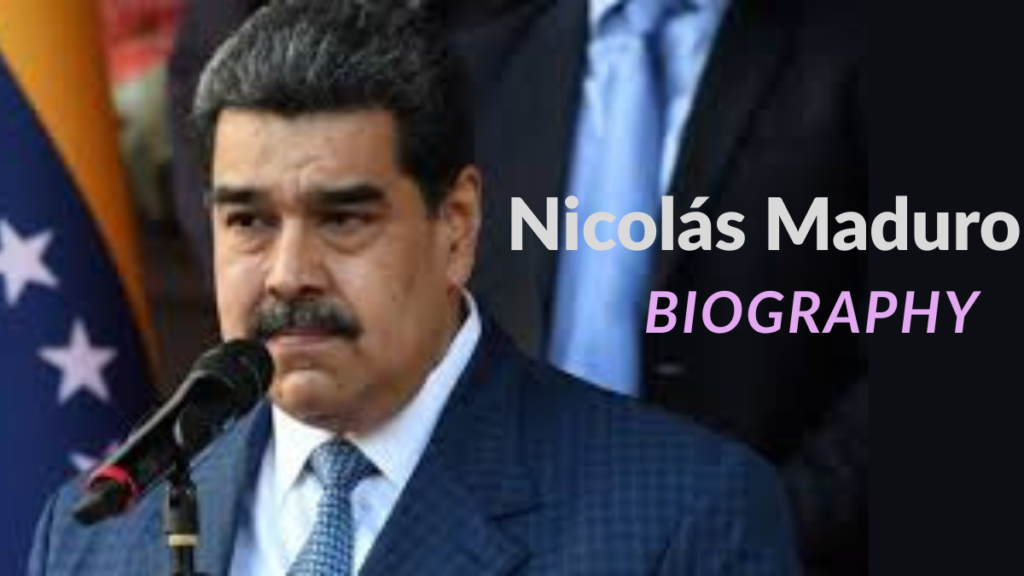
Nicolás Maduro is one of the most debated political leaders of the 21st century. Rising from a modest working-class background, he became the president of Venezuela and the chief inheritor of the political movement known as Chavismo. To his supporters, Maduro represents resistance against foreign intervention and the continuation of socialist ideals championed by Hugo Chávez. To his critics, he symbolizes authoritarianism, economic collapse, and democratic backsliding. Few Latin American leaders have generated such intense global discussion, scrutiny, and polarization.
As the Venezuelan president, Maduro’s rule has coincided with historic economic hardship, mass migration, international sanctions, and deep political division both inside and outside Venezuela. His personal life, beliefs, clothing choices that spark memes like Maduro Nike, and even online debates on platforms such as Reddit have become part of a broader global narrative. This biography explores Nicolás Maduro’s early life, political rise, ideology, family, religion, controversies, and global impact, separating verified facts from rumors and misinformation.
Quick Information Table
| Category | Details |
|---|---|
| Full Name | Nicolás Maduro Moros |
| Date of Birth | 23 November 1962 |
| Age | 63 years (as of 2026) |
| Birthplace | Caracas, Venezuela |
| Nationality | Venezuelan |
| Height | Approx. 6 ft 2–3 in (unofficial) |
| Religion | Christian (Catholic background); spiritual influences |
| Political Party | United Socialist Party of Venezuela (PSUV) |
| Position | President of Venezuela (since 2013) |
| Spouse | Cilia Flores |
| Children | One biological son |
| Ideology | Socialism, Bolivarian nationalism |
| Known For | Chavismo, sanctions era, global controversy |
Early Life and Background
Nicolás Maduro Moros was born on 23 November 1962 in Caracas, Venezuela, into a working-class family. His upbringing was shaped by economic struggle and political discussion. His father was involved in labor activism, which exposed Maduro from an early age to left-wing ideology, workers’ rights, and union politics. Unlike many traditional politicians, Maduro did not follow an elite academic or military path to power.
He did not complete a university degree. Instead, he trained and worked as a bus driver in Caracas, a detail that later became a central part of his political image. During this period, Maduro became active in transport workers’ unions, developing organizational skills and ideological discipline. This experience grounded his identity as a leader who emerged from the working class rather than from Venezuela’s political elite.
Religion and Beliefs
Maduro was raised Roman Catholic, which remains his official religious background. However, his personal spirituality has attracted attention and debate. Over the years, he has spoken publicly about spiritual beliefs that go beyond traditional Catholicism, including admiration for the Indian spiritual leader Sathya Sai Baba. This influence is often associated with his wife, Cilia Flores.
These beliefs have been discussed widely in media and online communities, including Nicolás Maduro Reddit discussions, where users debate how religion and mysticism influence his political worldview. Maduro has also blended religious language with revolutionary rhetoric, often portraying his leadership as part of a moral or historic mission.
Entry into Politics
Maduro’s formal political career began in the 1990s during the rise of Hugo Chávez. He became an early supporter of Chávez’s Bolivarian Revolution, which sought to reshape Venezuela through socialism, nationalism, and opposition to U.S. influence.
His political ascent was steady:
- Elected to the National Assembly after Chávez came to power
- Became President of the National Assembly in 2005
- Appointed Foreign Minister in 2006
As foreign minister, Maduro became a familiar face on the global stage, defending Venezuela’s policies and strengthening alliances with countries opposed to Western dominance. His loyalty to Chávez earned him trust and prominence within the ruling movement.
Journey to the Presidency
In 2012, Hugo Chávez appointed Nicolás Maduro as Vice President, signaling him as his preferred successor. After Chávez’s death in March 2013, Maduro ran for president and won a tightly contested election.
Since then, Maduro has remained in power through multiple elections and political crises. His presidency has been marked by:
- Highly disputed elections
- Opposition boycotts
- Parallel claims to legitimacy
Despite domestic and international pressure, Maduro consolidated control over state institutions, the military, and the ruling party.
Politics and Political Party
Maduro leads the United Socialist Party of Venezuela (PSUV), the dominant political force created by Hugo Chávez. His ideology is rooted in Bolivarian socialism, which combines:
- State control of key industries
- Wealth redistribution
- Anti-imperialist foreign policy
Under Maduro, Venezuela strengthened ties with Russia, China, Iran, and Cuba, while relations with the United States and several European and Latin American countries deteriorated.
What Did Nicolás Maduro Do?
(Nicolás Maduro what did he do)
Maduro’s presidency coincided with one of the most difficult periods in Venezuelan history. Key developments include:
- Severe economic contraction and hyperinflation
- Shortages of food, medicine, and basic goods
- Large-scale emigration of Venezuelans
- Crackdowns on protests and opposition movements
Supporters argue that these problems were driven primarily by international sanctions and economic warfare. Critics argue that government mismanagement, corruption, and authoritarianism played a decisive role.
Family and Personal Life
Nicolas Maduro Wife
Maduro is married to Cilia Flores, a powerful political figure in her own right. She has served as attorney general and as a senior member of the ruling party. Often called the “First Combatant” instead of first lady, Flores is widely considered one of Maduro’s closest advisers.
Children
Maduro has one biological son, Nicolás Maduro Guerra, commonly known as “Nicolasito.” His son has held political roles and is a frequent subject of media attention and controversy.
Business, Wealth, and Lifestyle
Maduro has no officially declared private business interests. However, allegations of corruption and misuse of state resources have been persistent themes in international discourse. Maduro consistently denies these claims, stating that they are politically motivated attacks.
Nicolás Maduro Bounty
The United States government has announced a multi-million-dollar reward for information leading to Maduro’s arrest on charges related to drug trafficking and conspiracy. Maduro rejects these accusations and claims they are part of an effort to overthrow his government.
Maduro Nike and Internet Culture
Images of Maduro wearing Nike or Nike-Tech-style sportswear have gone viral, turning into memes across social media. While seemingly trivial, the “Maduro Nike” phenomenon reflects how modern political figures are scrutinized not only for policies but also for appearance, symbolism, and online culture.
Impact on Global Politics
As Venezuelan president, Maduro has influenced:
- Global debates on sanctions and sovereignty
- Energy and oil geopolitics
- Migration patterns across Latin America
- Relations between Western and non-Western power blocs
His leadership has become a case study in modern geopolitical confrontation and the limits of external pressure on sovereign states.
Conclusion
Nicolás Maduro’s story is extraordinary: a bus driver turned president, shaped by ideology, loyalty, and circumstance. His rule has left a profound mark on Venezuela and on global politics. Whether viewed as a defender of sovereignty or as a symbol of authoritarian decline, Maduro remains a central figure in international affairs. His presidency continues to spark debate, controversy, memes, and movements—both online and in the real world.
What happened in Venezuela in 2026?
On 3 January 2026, the United States military entered Venezuela, capturing and extrajudicially abducting sitting president Nicolás Maduro and first lady Cilia Flores.
What has Maduro done to Venezuela?
The United Nations (UN) and Human Rights Watch have alleged that under Maduro’s administration thousands of people died in extrajudicial killings and seven million Venezuelans were forced to flee the country due to economic collapse resulting from crippling US sanctions.
Which countries support Maduro?
Maduro’s election was supported by Turkey, Russia, China, and the Bolivarian Alliance for the Peoples of Our America (ALBA).
How rich is Venezuela in oil?
Venezuela has the world’s largest proven oil reserves, totaling 302.81 billion barrels at the end of 2017.
Does India buy oil from Venezuela?
Apart from crude oil, the other major commodities India imports from Venezuela are Scrap Iron and Scrap Copper.